





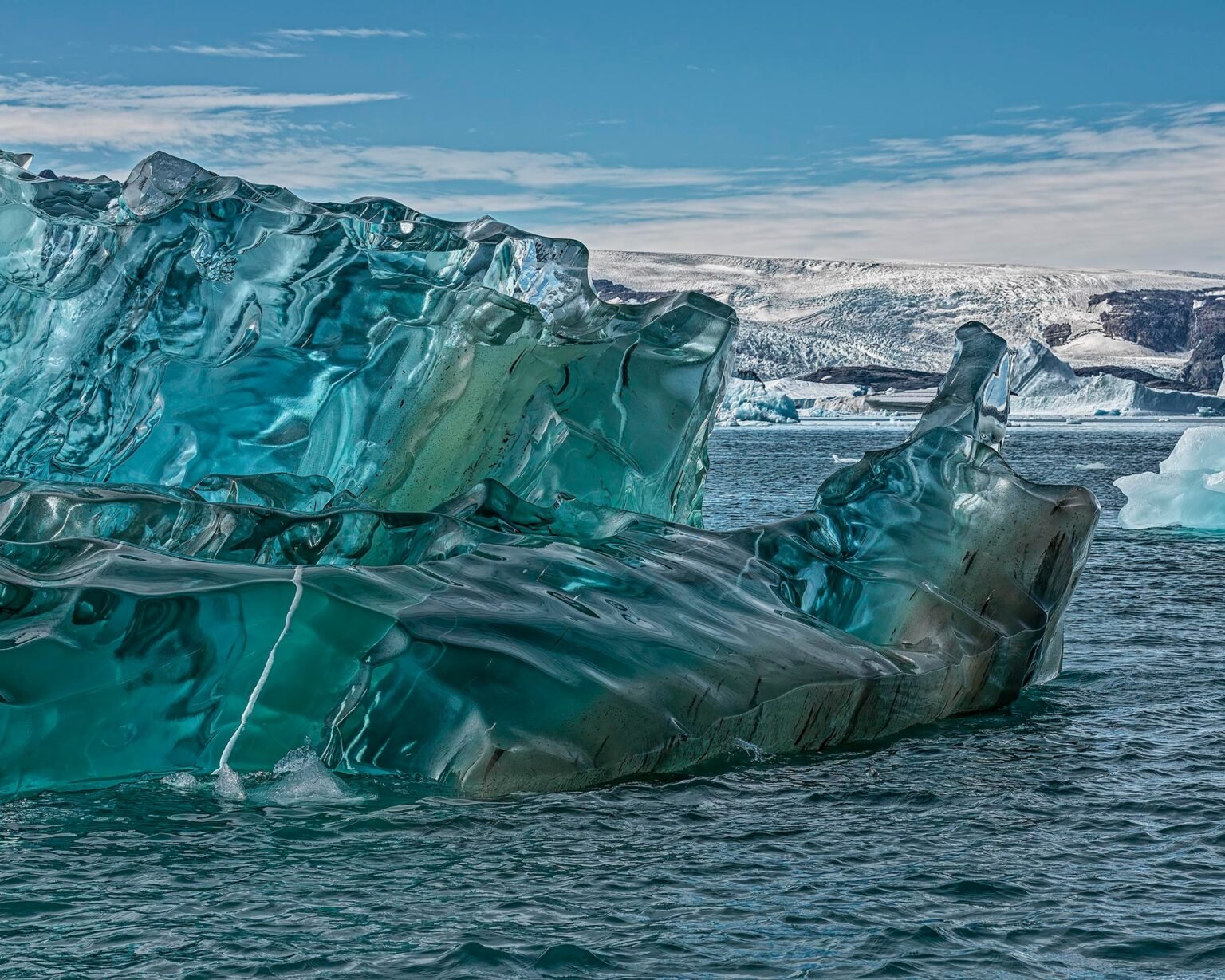

In the remote and icy wilderness of Greenland, nature continues to create structures so vast and dramatic they seem almost unreal. One such phenomenon is the giant ice arch—a towering formation carved entirely from ancient glacier ice. Shaped by time, temperature, and movement, this natural arch is more than a visual spectacle. It is a powerful reminder of the fragile balance that defines Earth’s polar regions.
A Monument Sculpted by Nature
The giant ice arch forms when massive glaciers slowly flow toward the sea. Over decades—and sometimes centuries—pressure builds within the ice, while meltwater and ocean waves carve hollow spaces beneath it. Eventually, what remains is an arch-like structure: thick walls of ice standing tall, supporting a frozen ceiling that curves gracefully above open water.
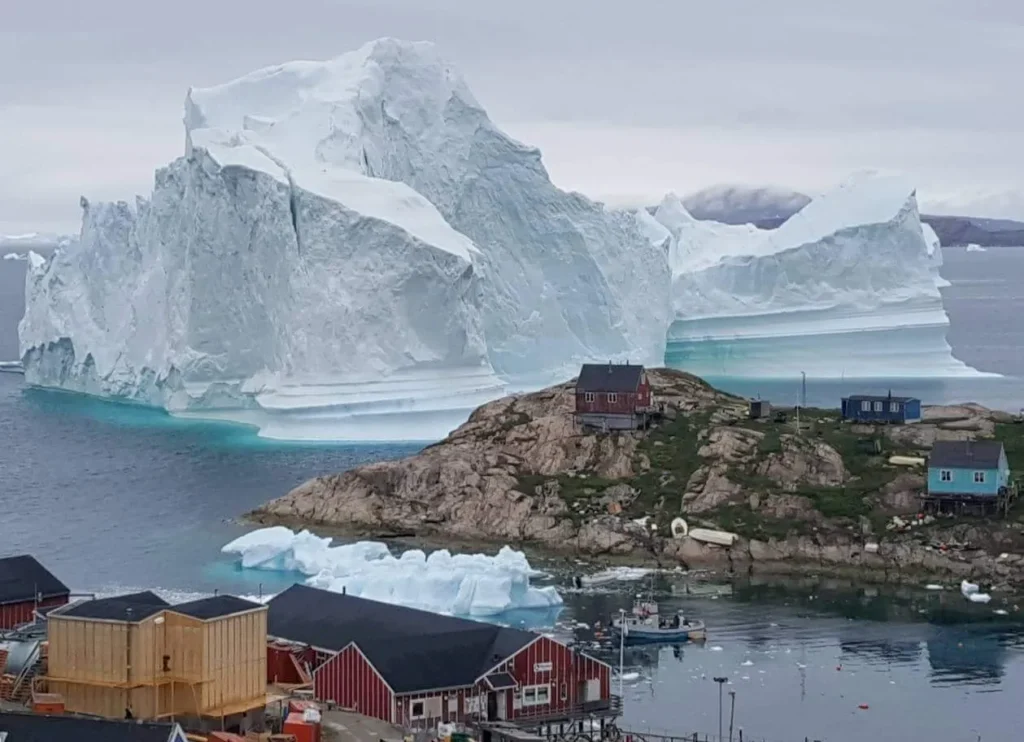
Unlike rock arches formed over millennia, ice arches are temporary by nature. Their beauty lies in their impermanence. At any moment, a shift in temperature or a change in ocean currents can cause them to collapse, returning the ice to the sea from which it came.
Why Greenland Creates Ice Arches
Greenland is uniquely positioned to produce such formations. Home to the second-largest ice sheet in the world, the island experiences extreme cold, powerful glaciers, and constant interaction between ice and ocean. Coastal glaciers often extend directly into fjords, where waves and tides erode their bases while the upper layers remain frozen and intact.
This process creates ideal conditions for arches to form—especially during seasonal transitions when melting accelerates but structural ice still holds. Each ice arch is unique, shaped by local geography, temperature patterns, and the glacier’s internal structure.
A Rare and Fleeting Sight
Witnessing a giant ice arch is a rare experience. These formations can exist for days, months, or sometimes just hours before collapsing. Their instability makes them both awe-inspiring and dangerous, which is why scientists and explorers observe them from a safe distance.
For photographers and researchers, ice arches offer an extraordinary opportunity to document the raw power of nature. Their luminous blue tones, created by compressed ice that absorbs longer wavelengths of light, make them visually striking against Greenland’s stark white landscapes and dark Arctic waters.
What Ice Arches Tell Scientists
Beyond their beauty, ice arches provide valuable insight into the health of Greenland’s glaciers. Their formation and collapse help scientists understand how glaciers respond to warming temperatures, changing sea levels, and shifting weather patterns.
An increase in meltwater weakens the base of glaciers, accelerating the creation—and destruction—of such arches. When these formations collapse, they often trigger larger ice break-offs, contributing to rising sea levels. In this way, ice arches act as visible indicators of deeper environmental change.
Climate Change and a Disappearing Landscape
Greenland is warming at more than twice the global average rate. As temperatures rise, glaciers are thinning and retreating faster than ever before. While ice arches have always formed naturally, their growing frequency and rapid collapse reflect broader climate shifts.
What was once a slow, predictable cycle is becoming increasingly unstable. Each fallen arch represents not just the end of a natural sculpture, but also the loss of ice that has existed for thousands of years. These changes have global consequences, affecting ocean circulation, weather patterns, and coastal communities far beyond the Arctic.
A Symbol of Arctic Fragility
The giant ice arch has become a symbol of both resilience and vulnerability. Its sheer size and strength demonstrate the power of frozen landscapes, while its temporary nature highlights how quickly even the most massive structures can disappear.
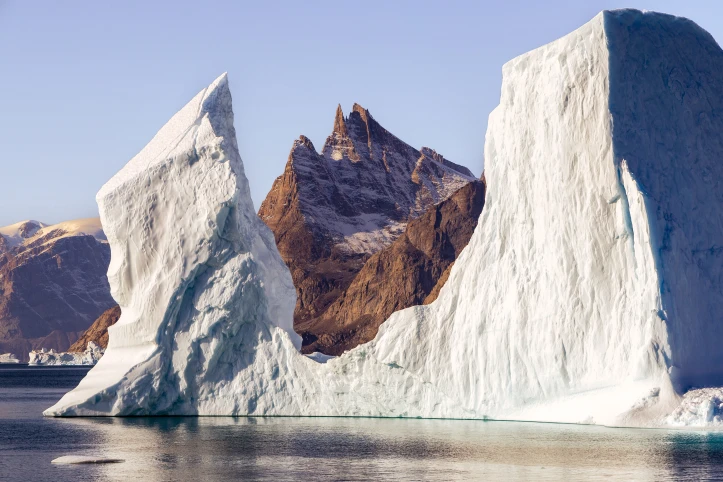
For travelers and nature enthusiasts, images of Greenland’s ice arches spark wonder and curiosity. For scientists and environmentalists, they serve as urgent reminders of what is at stake if global warming continues unchecked.
Preserving What We Can
While no one can stop an ice arch from collapsing, collective action can slow the forces accelerating their disappearance. Reducing emissions, supporting climate research, and protecting polar environments all play a role in preserving the Arctic’s delicate systems.
Greenland’s giant ice arch stands as a fleeting masterpiece—one shaped by nature, destined to vanish, yet powerful enough to leave a lasting impression. In its frozen curves and silent strength, it tells a story not just of ice, but of time, change, and our planet’s uncertain future.