






Hidden within the dramatic desert landscapes of northwest Saudi Arabia, AlUla is one of the world’s most fascinating emerging travel destinations. Known for its ancient civilizations, striking rock formations, and deep cultural heritage, AlUla offers travelers a rare opportunity to explore history, nature, and art in one extraordinary setting. It is a place where time feels suspended, inviting thoughtful and immersive travel.
AlUla’s history stretches back thousands of years. Once a vital stop along ancient trade routes, the region connected civilizations through commerce, culture, and ideas. Today, this legacy is visible in its archaeological treasures. The most iconic site is Hegra, Saudi Arabia’s first UNESCO World Heritage Site. With its monumental tombs carved directly into sandstone cliffs, Hegra reflects the sophistication of the Nabataean civilization and stands as a powerful reminder of the region’s ancient importance.
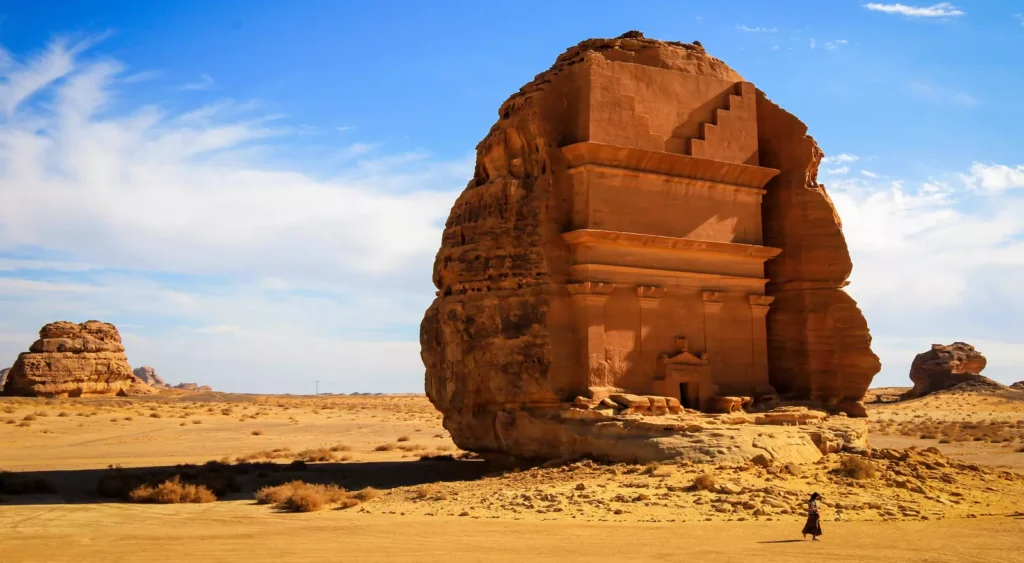
Walking through Hegra feels like stepping into an open-air museum. Each tomb tells a story through inscriptions and architectural details. Unlike crowded historic sites elsewhere, AlUla’s vast scale allows visitors to explore at a calm pace, creating a more reflective and respectful experience. Guided tours add depth, helping travelers understand the cultural and historical significance of what they are seeing.
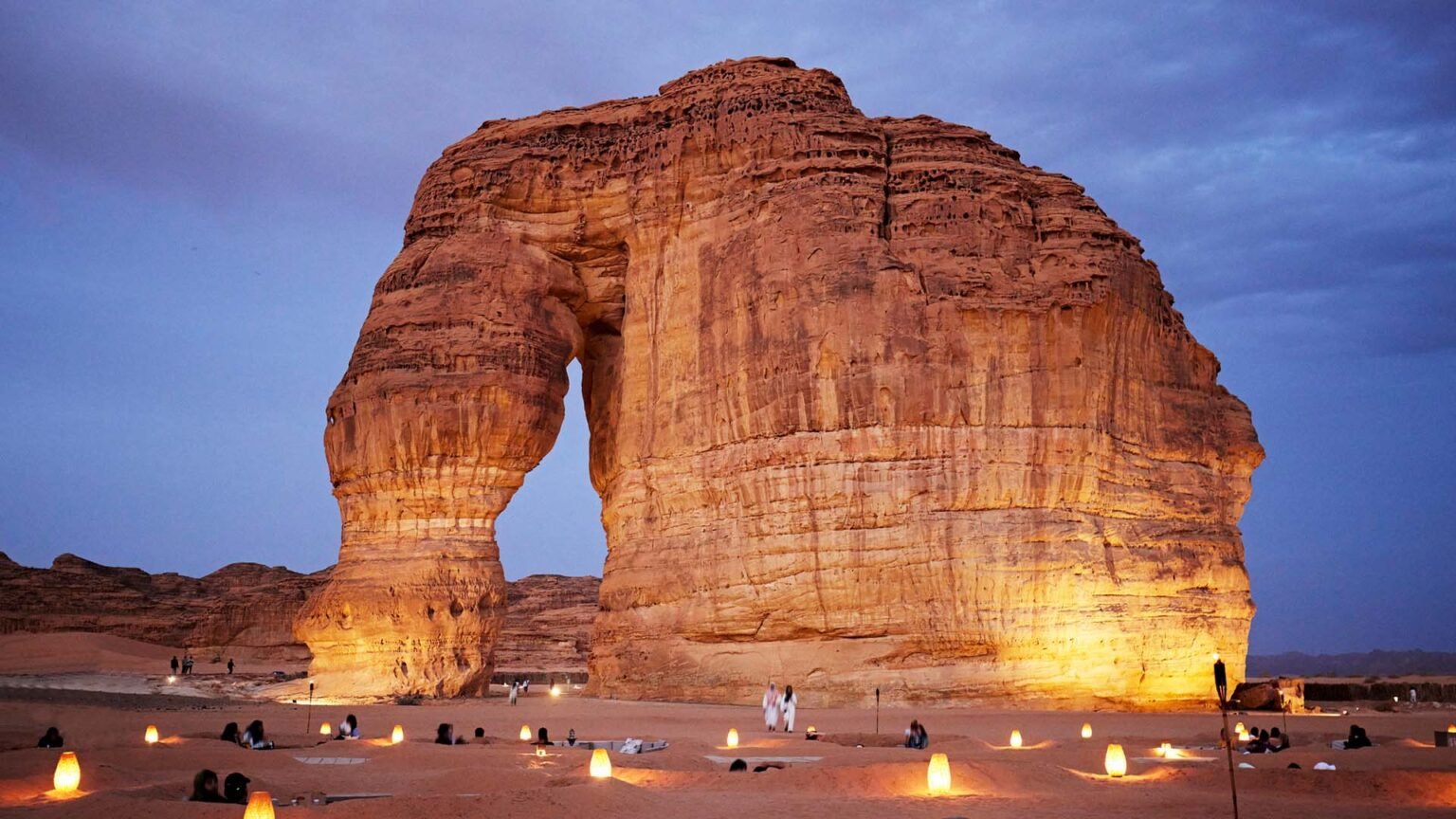
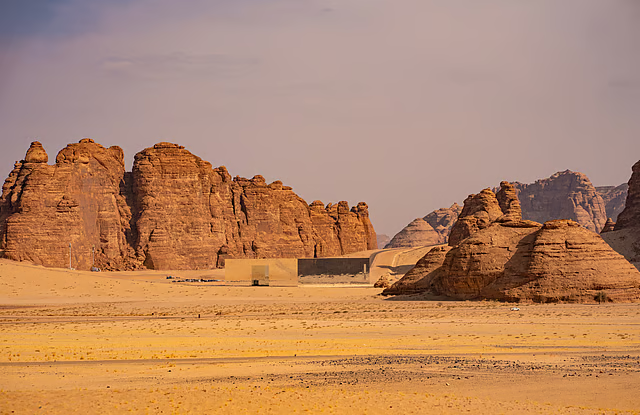
Beyond archaeology, AlUla’s natural beauty is equally captivating. Towering rock formations, narrow canyons, and golden desert plains create dramatic scenery that changes with the light. Elephant Rock, shaped naturally over centuries, is one of the region’s most photographed landmarks. At sunset, the landscape glows with warm hues, making every viewpoint feel cinematic.
AlUla’s old town offers insight into traditional desert life. The mud-brick buildings, narrow alleys, and historic mosques reflect how communities once adapted to the harsh environment. Restoration efforts are bringing the old town back to life, preserving heritage while creating cultural spaces for visitors. Exploring this area highlights the balance between preservation and progress.
Culture plays a central role in AlUla’s modern identity. The region is becoming a hub for art, music, and cultural events that blend ancient heritage with contemporary expression. Open-air installations, concerts set against desert backdrops, and storytelling experiences create meaningful connections between past and present. These initiatives allow travelers to experience culture in innovative yet respectful ways.
Adventure seekers will also find plenty to enjoy in AlUla. Hiking through sandstone canyons, stargazing in the clear desert sky, and guided nature walks offer unique ways to engage with the environment. The quiet vastness of the desert encourages mindfulness and appreciation for nature’s scale and beauty.
Food in AlUla reflects regional flavors and hospitality. Traditional dishes emphasize simple, nourishing ingredients suited to desert life. Shared meals and local hospitality create warm, welcoming moments that help visitors connect with the culture on a personal level.
Sustainability is a key focus in AlUla’s development. Tourism initiatives emphasize conservation, responsible travel, and community involvement. This thoughtful approach ensures that growth protects the region’s natural and cultural heritage while benefiting local communities.
What makes AlUla truly special is its sense of discovery. It is not a destination built around speed or excess, but one that rewards curiosity, patience, and respect. Travelers are encouraged to slow down, listen, and observe.
AlUla represents a new chapter in global travel—one where ancient history, natural wonder, and modern cultural vision coexist. For travelers seeking something truly different, AlUla offers a journey into the past that feels surprisingly alive. It is a destination that stays with you, long after the desert horizon fades from view.