







Cultural travel is evolving from observation to participation. Instead of simply visiting famous landmarks, modern travelers are seeking to live culture—even if only for a short time. This shift is transforming journeys into meaningful exchanges where learning, respect, and shared experiences take center stage.
One of the strongest aspects of living culture is everyday life immersion. Watching how locals start their mornings, commute, shop, and unwind reveals far more about a destination than monuments alone. Sitting in a neighborhood café, visiting local markets, or taking public transport allows travelers to feel the natural rhythm of a place. These ordinary moments create a sense of belonging that sightseeing alone cannot offer.

Traditional customs and rituals are another gateway to cultural understanding. From tea ceremonies and communal prayers to seasonal harvest traditions, rituals reflect deeply rooted values. Travelers who observe or respectfully participate in these practices gain insight into how communities express gratitude, faith, and connection. Such experiences foster appreciation rather than judgment, helping travelers understand cultural differences with empathy.
Storytelling plays a vital role in cultural exchange. Every community has stories—passed down through elders, preserved in folklore, or expressed through music and dance. Listening to local stories, legends, or personal histories adds emotional depth to a journey. These narratives humanize destinations, turning places into lived experiences shaped by real people.
Cultural learning often happens through shared work. Activities like farming, fishing, cooking, or crafting alongside locals provide hands-on insight into daily life. These experiences teach patience, skill, and respect for traditions that have sustained communities for generations. Working together, even briefly, creates mutual understanding that words alone cannot convey.
Architecture and space also reflect cultural values. The design of homes, temples, streets, and public areas reveals how communities interact, prioritize privacy or togetherness, and adapt to their environment. Walking through old neighborhoods or traditional villages allows travelers to read culture through structure, materials, and layout.
Music and movement are powerful cultural expressions that transcend language. Traditional songs, dances, and instruments convey emotion, history, and identity. Experiencing live performances—whether at festivals, community gatherings, or informal settings—creates a strong emotional connection to culture. Music often becomes a lasting memory tied to a place.
Cultural humility is essential in this deeper form of travel. Travelers must approach new cultures with openness, acknowledging that understanding takes time and listening. Asking respectful questions, following local customs, and accepting differences enrich the experience while honoring host communities.
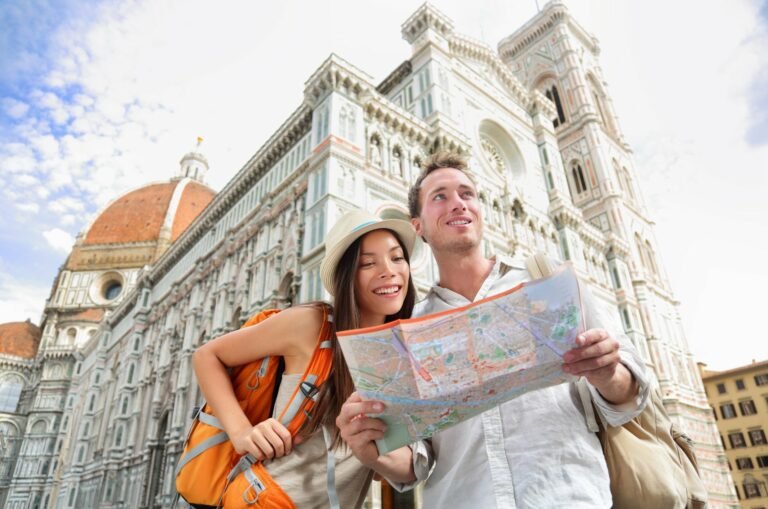
Living culture also means recognizing modern realities. Cultures are not frozen in time; they evolve. Modern lifestyles blend with tradition, creating dynamic identities. Observing this balance helps travelers avoid romanticizing the past and instead appreciate culture as something alive and changing.
In essence, cultural travel today is about relationship rather than observation. It invites travelers to listen, learn, and participate with respect. By living culture—even briefly—travelers gain perspective, empathy, and a deeper connection to the world.
This approach transforms travel from a journey across places into a journey through people, stories, and shared humanity.