






Some places glow not because they are loud or famous but because they carry a calm, ancient light that draws in travelers seeking something deeper. Lithuania is one of those rare destinations—an underrated Baltic treasure where forests whisper old stories, city squares hum with creativity, and a shoreline of wind-sculpted dunes stretches farther than the eye can see. Travelers who arrive expecting a quiet European escape often leave surprised by how profoundly the country stays with them.
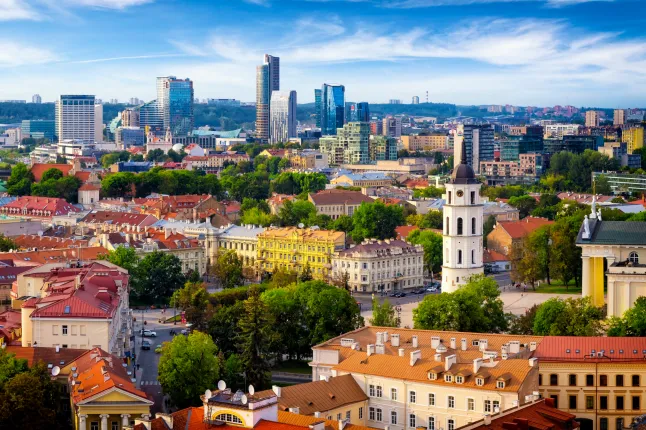
The journey often begins in Vilnius, a city where baroque architecture rises gently above winding streets filled with cafés, street musicians, and bookshops. But Vilnius isn’t just another European capital—it’s a place where history and imagination blend in unexpected ways. The Užupis district is the perfect example. This quirky neighborhood, once neglected, declared itself an independent “republic” complete with its own flag, constitution, and ambassadorial cats. Wandering through its pastel lanes and riverside paths, you’ll find sculptures that make you smile, murals that make you think, and local artists who treat creativity like a daily necessity rather than a luxury.
Yet Lithuania’s magic deepens as you leave the city behind. Driving north, the landscape shifts to rolling fields and clusters of birch trees, their white trunks standing tall against bright green grass. Eventually, you arrive at the Hill of Crosses, one of the country’s most hauntingly beautiful sites. For centuries, travelers, families, and pilgrims have planted crosses here—small, large, wooden, metal—until more than 200,000 of them cover the hill in a forest of memory and devotion. Standing among them, the world feels strangely still, as if time pauses to let you breathe.
But perhaps the most enchanting part of Lithuania lies to the west, where the Baltic Sea meets the Curonian Spit—a slender 98-kilometer strip of sand shared with Russia’s Kaliningrad region. Reaching the seaside town of Nida feels like stepping into a watercolor painting. Pine forests sway gently behind wooden cottages painted in blues and reds, while fishing boats rock softly on the lagoon. The dunes here aren’t just impressive—they are alive. Known as the “Lithuanian Sahara,” these towering sand formations shift constantly with the wind, glowing gold at sunset and pale silver at dawn. Travelers who climb the Parnidis Dune often describe it as walking across a dreamscape.
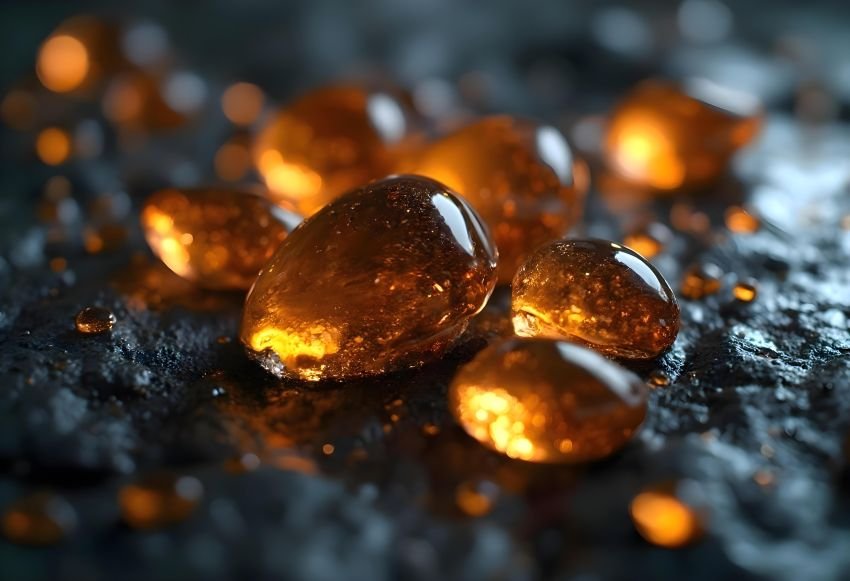
What makes the Curonian Spit unforgettable is the way it blends solitude and inspiration. Thomas Mann once spent summers writing here, drawn to the quiet rhythm of the sea and the mesmerizing play of light on the water. Today, artists still retreat to its peaceful shores, and visitors who stroll the long wooden boardwalks often find their thoughts drifting in creative directions. Whether you’re collecting amber along the beach—fossilized resin polished by the waves—or sipping hot herbal tea in a small family café, the spit encourages you to slow down and listen to your own breath.
Lithuania’s forests add yet another layer to the journey. More than a third of the country is covered in dense woodland, making it a paradise for hikers, birdwatchers, and anyone who craves the grounding power of nature. In Aukštaitija National Park, narrow trails wind around crystal-clear lakes, wooden villages, and wooden bridges that look unchanged for centuries. Kayaking through its interconnected waterways feels like drifting through a living postcard. For urban travelers used to constant motion, this is the kind of quiet that heals.
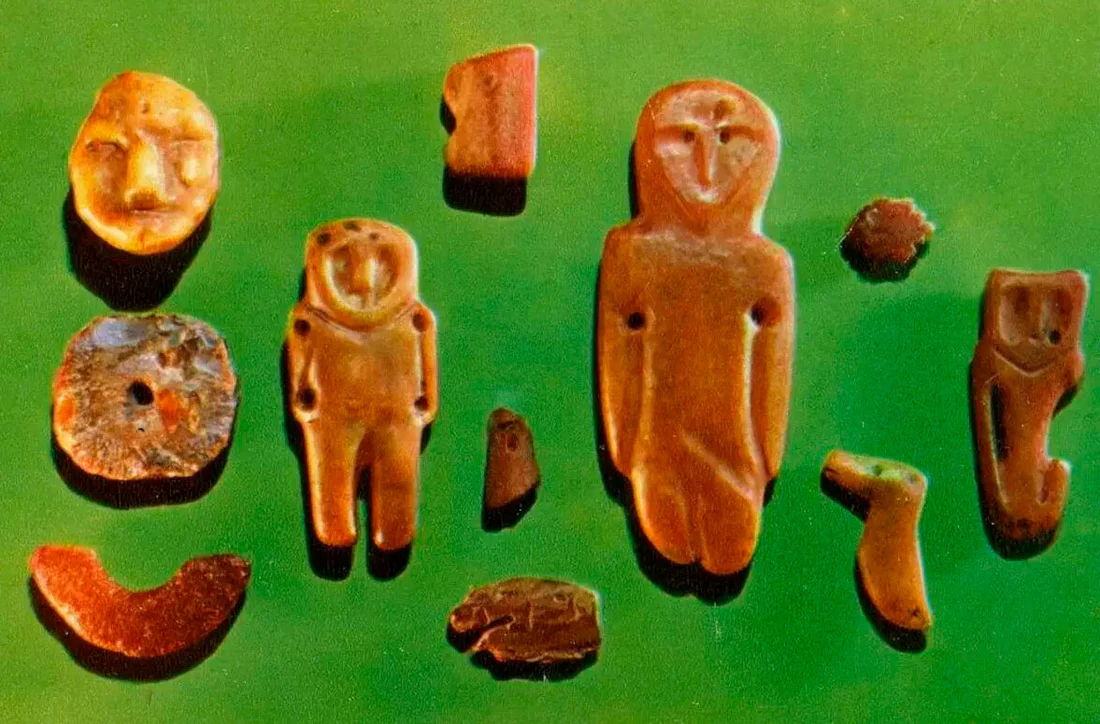
The country’s deep connection to amber is also a delightful surprise. Long called “Baltic gold,” amber has been traded, carved, and treasured here for thousands of years. In coastal towns like Palanga, the Amber Museum showcases pieces that hold prehistoric insects or plant fragments, frozen in time for 40 million years. For visitors, it’s a reminder of how the natural world preserves its stories in unexpected ways.
Food in Lithuania is another part of its charm—wholesome, hearty, and gently evolving. While traditional dishes like cepelinai (potato dumplings) remain beloved, younger chefs are reimagining local flavors with modern twists. Restaurants incorporate forest herbs, seasonal vegetables, and Baltic fish, creating meals that feel both comforting and contemporary. Pair a plate of smoked herring with birch juice or local mead, and you’ll taste a side of Lithuania shaped by land and sea.
What truly sets Lithuania apart, though, is its quiet confidence. It doesn’t try to impress visitors with grandeur or spectacle. Instead, it invites them into a world where beauty is subtle, authentic, and lasting. Travelers leave feeling not just inspired but grounded—as if the country has given them space to breathe and simply be.
For those seeking a European journey off the well-trodden path, Lithuania offers something rare: a gentle adventure rich in history, nature, art, and soul.