





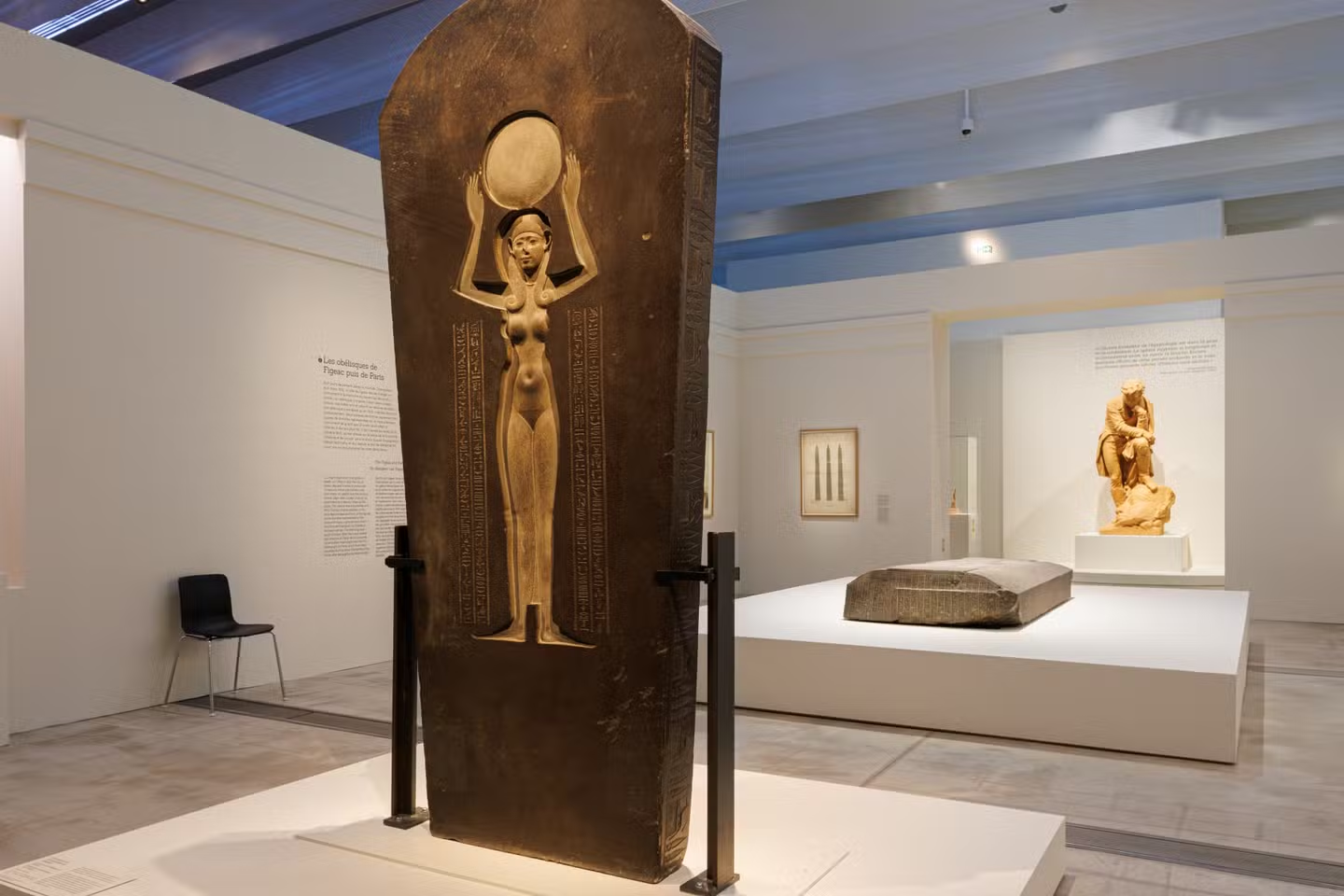

The Louvre Museum in Paris is best known for masterpieces like the Mona Lisa and Venus de Milo, but hidden within its grand halls lies another world—one that transports visitors back thousands of years to the land of pharaohs, pyramids, and hieroglyphs. The Department of Egyptian Antiquities, established in 1827, is one of the Louvre’s crown jewels and houses one of the world’s largest and most comprehensive collections of ancient Egyptian artifacts outside of Egypt itself. For lovers of history and archaeology, this collection offers an extraordinary journey through the evolution of one of humanity’s most fascinating civilizations.
A Brief History of the Collection
The Louvre’s Egyptian department owes much to Jean-François Champollion, the French scholar who deciphered the Rosetta Stone and unlocked the mystery of Egyptian hieroglyphs. Champollion’s passion for Egyptology inspired the French government to create a dedicated section in the museum devoted entirely to ancient Egypt. Since then, the collection has grown through archaeological expeditions, royal donations, and acquisitions, encompassing over 50,000 artifacts that span more than 5,000 years of history—from the earliest prehistoric settlements to the Greco-Roman period.

Today, the Egyptian Antiquities department occupies two floors of the Sully Wing in the Louvre. Its galleries are organized chronologically and thematically, allowing visitors to trace the spiritual, political, and artistic development of Egyptian society from its origins along the Nile to its integration into the wider Mediterranean world.
The Highlights of the Collection
Among the countless treasures on display, several stand out as must-see masterpieces.
1. The Great Sphinx of Tanis
This colossal granite sculpture is one of the Louvre’s most iconic Egyptian pieces. Dating from around 2600 BCE, it represents a pharaoh with a human head and a lion’s body—a symbol of divine power and protection. Its weathered surface and immense size evoke the timeless majesty of ancient Egyptian art.
2. Sarcophagi and Mummies
The Louvre’s collection of funerary artifacts is both haunting and mesmerizing. Intricately painted sarcophagi, canopic jars, and mummy cases illustrate how the Egyptians prepared for the afterlife. The museum also displays mummified remains and burial goods, offering insight into the spiritual beliefs that guided Egyptian civilization. Each object—whether a golden amulet, a papyrus scroll, or a funerary figurine—was designed to ensure safe passage to eternity.
3. The Seated Scribe
Perhaps one of the most famous sculptures in the world, the Seated Scribe (c. 2600–2350 BCE) captures a rare moment of realism in Egyptian art. Carved from limestone and painted in vivid colors, it depicts a man in mid-action, with an attentive gaze that seems almost alive. His lifelike posture and expression reveal the artistic mastery of Egypt’s Old Kingdom period.
4. The Statue of Amenophis IV (Akhenaten)
A striking example from the Amarna Period, this statue reflects the artistic revolution led by Pharaoh Akhenaten, who broke from tradition by introducing a monotheistic worship of the sun god Aten. The elongated features and serene expression represent a shift from rigid formality to more naturalistic and spiritual imagery.
5. Temple Fragments and Reliefs
Throughout the galleries, visitors encounter carved reliefs from temples and tombs, depicting gods, pharaohs, and daily life scenes. Hieroglyphic inscriptions tell stories of kingship, ritual, and mythology. These fragments, once part of majestic stone walls along the Nile, now serve as silent witnesses to Egypt’s enduring culture and artistry.
Everyday Life and Belief Along the Nile
What makes the Louvre’s Egyptian collection so compelling is its balance between the monumental and the intimate. Alongside statues of gods and kings, the museum displays objects from daily life—tools, jewelry, pottery, cosmetics, and even children’s toys. Together, they reveal a civilization that valued both the divine and the domestic, combining practicality with spiritual symbolism in everything they created.
The sections devoted to writing and administration showcase the evolution of hieroglyphs and papyrus documents. Visitors can see fragments of ancient texts, including prayers, hymns, and accounts of daily activities, that bring to life the rhythm of ancient Egyptian society.
A Legacy Preserved in Paris
The Louvre’s Egyptian Antiquities department does more than display artifacts—it preserves the legacy of a civilization that shaped the foundations of human culture, art, and belief. Each object connects modern visitors with the distant past, bridging thousands of years through craftsmanship and meaning.
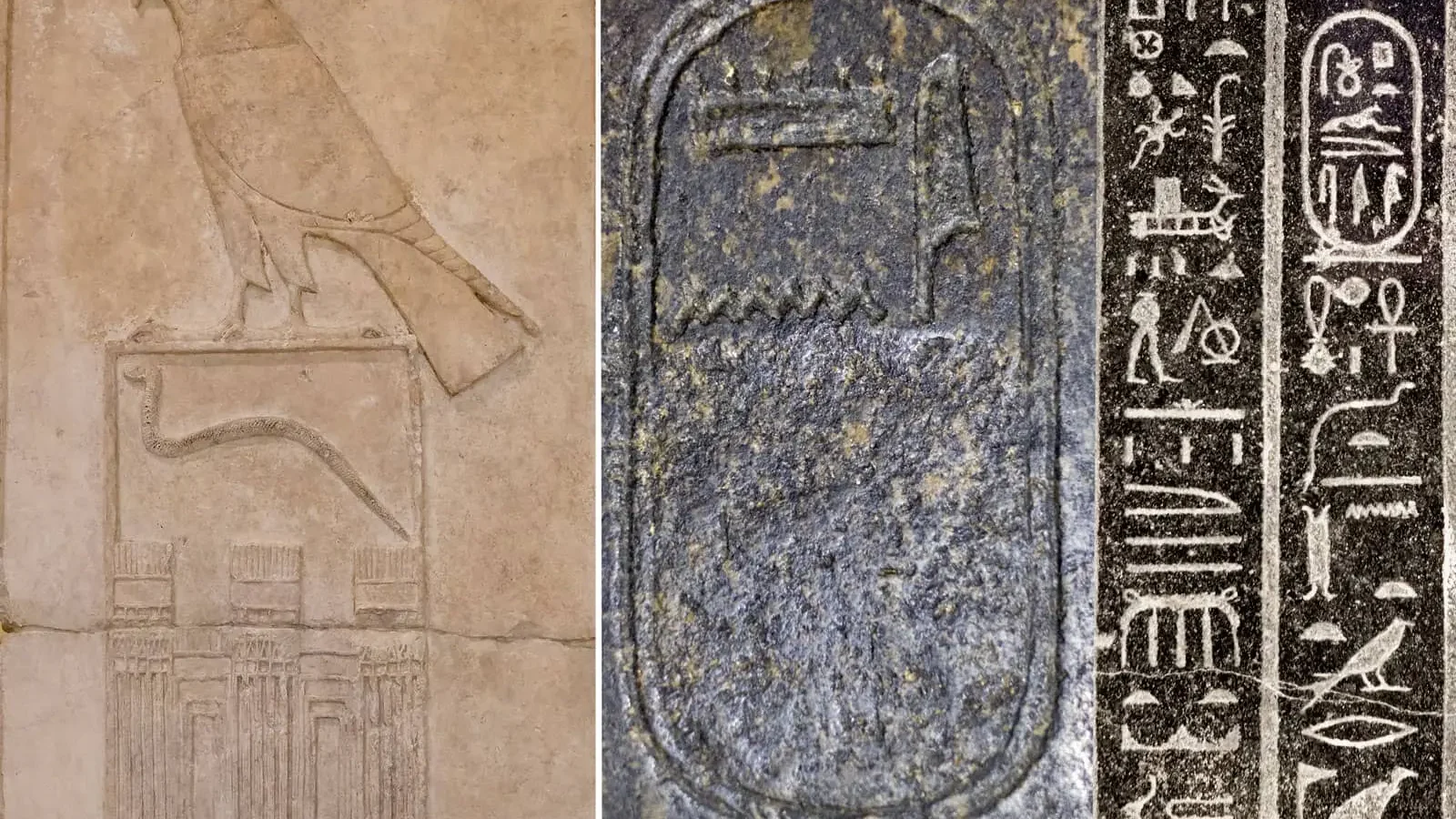
For scholars, the collection is an invaluable resource for understanding Egypt’s dynastic history, religion, and influence on neighboring cultures. For travelers, it’s an unforgettable visual and emotional experience—a chance to stand face to face with the artistry of ancient hands and minds.
Final Thoughts
Visiting the Egyptian galleries of the Louvre Museum is like walking through a timeline of human civilization. The carved stone faces, golden amulets, and painted coffins are not mere relics—they are voices from a world that continues to captivate and inspire. Amid the grandeur of Paris, these ancient treasures remind us that even across millennia and continents, the creativity and faith of humankind endure.